 такое кино
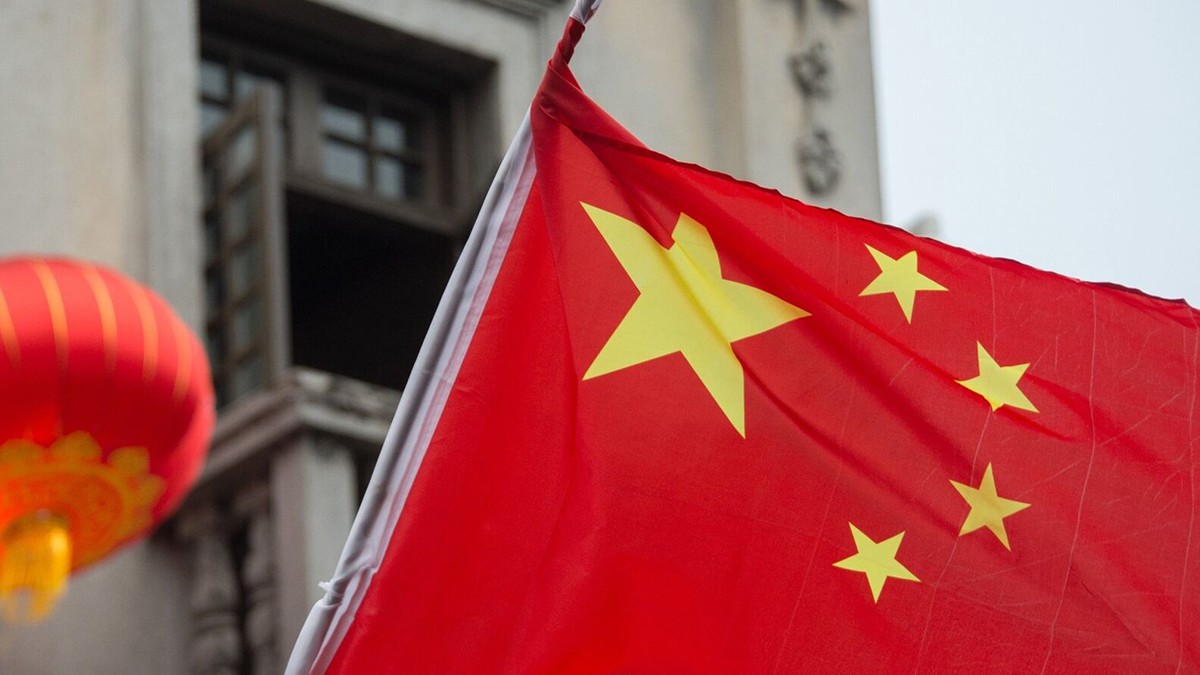
A Road of a Thousand Years. Part Two. Chapter Three
The train sped westward, through boundless Siberia, where forest succeeded forest, and it seemed nothing else existed here, nor ever would.
Morozov stood by the window, smoking, gazing out in the hope of seeing at least some sign of human life. The compartment reeked of tobacco, sour caviar, iron, and something else — melancholy, perhaps, or simply exhaustion.
He thought about Mei Lin. About how she stood in the wasteland, didn’t turn around, didn’t say goodbye, only said: “I will walk from here.” Would he ever see her again? Unlikely. Persona non grata — that was what his status was called now. What a word, he thought, like a brand on the forehead. Persona non grata. Even sounds un-Russian. An expellee.
In the next compartment, someone was humming a foolish chastushka:
Damansky Isle is Zhenbao Dao,
The world is scarred by war and Mao.
Damansky Isle — now called Zhenbao,
Comrade Mao sits drinking cacao.
On Damansky — our blood is shed,
Yet the Chinese push ahead.
Mao and Brezhnev in a row —
Who will bury whom below.
He stubbed out his cigarette, looked at his hands — alien, as if not his own. He remembered how Lin had looked at him for the last time — calmly, almost lifelessly. As if everything inside her had already burned out.
And suddenly — against the backdrop of the Siberian twilight — memory snatched out a completely different, almost forgotten episode.
Beijing. Summer. Heat that made the air hazy. He saw her for the first time in the director’s office — young, with a straight back, in a simple dark dress, with thin, almost transparent hands. She smiled at him — not at him, but at everyone at once, but for some reason, he decided it was only for him.
Back then, everything seemed simple: documents, instructions, blueprints — and unexpectedly this voice, soft, with a slight accent, and a gaze that held something elusively kindred.
He remembered how she tucked a strand of hair behind her ear, how she looked at him when translating another phrase, as if between the lines there was something else, something that could not be said aloud.
The memory was short, like a flash, but it made him feel even colder. Everything that was then — alive, real — now remained somewhere back there, thousands of kilometers away, beyond the Amur, beyond a border that could no longer be crossed.
The compartment was stuffy. He went out into the corridor, walked through the carriage where someone was already snoring, someone was quietly arguing about politics, mentioning Brezhnev and Prague almost in a whisper, and someone was drinking vodka from aluminum mugs.
“Men, mind if I join you?” he asked, and no one objected.
“What are we drinking to?” someone asked.
“To the return,” said Morozov. “To the Motherland. To the fact that I was expelled from China.”
“Persona non grata,” he added, and everyone laughed, not understanding what was funny about it.
He poured himself a drink, downed it, and chased it with bread.
“And my wife — she was Sokolova before marriage,” he suddenly said, “but Morozova suits the Urals better.”
“Sokolova?” someone asked again. “A good name.”
“Good,” Morozov agreed. “But Morozova is stronger. For winter, for Siberia, for all of this.”
He drank, looked out the window where only his own reflection stared back, and added, as if casually:
“And they also gave me a rank here. Colonel. Just like that. Now, maybe they’ll send me on a mission again. Somewhere warm. To Colombia, for example.”
“To Colombia?” the neighbors laughed. “Wow!”
“Why not,” said Morozov, “they say everyone drinks cacao there. And the coffee is good. Being a Colonel there will probably be easier.”
They drank more, talked about life, about wives, about children, about how everything changes and nothing changes. Morozov listened, nodded, looked out the window where only he was reflected — tired, alien, with a new rank and an old sorrow.
And the train went further and further, and the night outside the window was as boundless as the road on which he was returning home.
Sometimes it seemed to him that he was no longer a person, but simply a passenger between stations, between countries, between the past and the future. Everything that was real remained there, where now no one waits for a call from the Colonel.
And only somewhere in the darkness, behind the glass, the river occasionally flashed by — black as memory, and just as cold.